
Introduction
In any long-term relationship, it is natural for sexual desire to fluctuate. Stress, routine, parental fatigue or simply habit can create an intimate distance between partners. But a decrease in desire is not inevitable — it is often a signal that the couple needs renewal.
Here are 7 practical tips to reignite the flame, without pressure or taboo, while respecting each other's rhythm.
1. Recreate Anticipation and Desire
Desire feeds on longing and anticipation. When living together, permanent accessibility can paradoxically extinguish the flame.
- Send suggestive messages during the day — a simple "I can't wait to see you tonight" creates a delicious tension.
- Schedule your intimate moments: far from being anti-romantic, date nights create the necessary anticipation.
- Maintain mystery: keep personal spaces. A little distance nurtures the desire to come closer.
2. Rediscover Non-Sexual Touch
Many couples experiencing low desire have also lost daily physical contact. Yet affectionate touch is the foundation of desire.
- Increase hugs, hair stroking, hand-holding
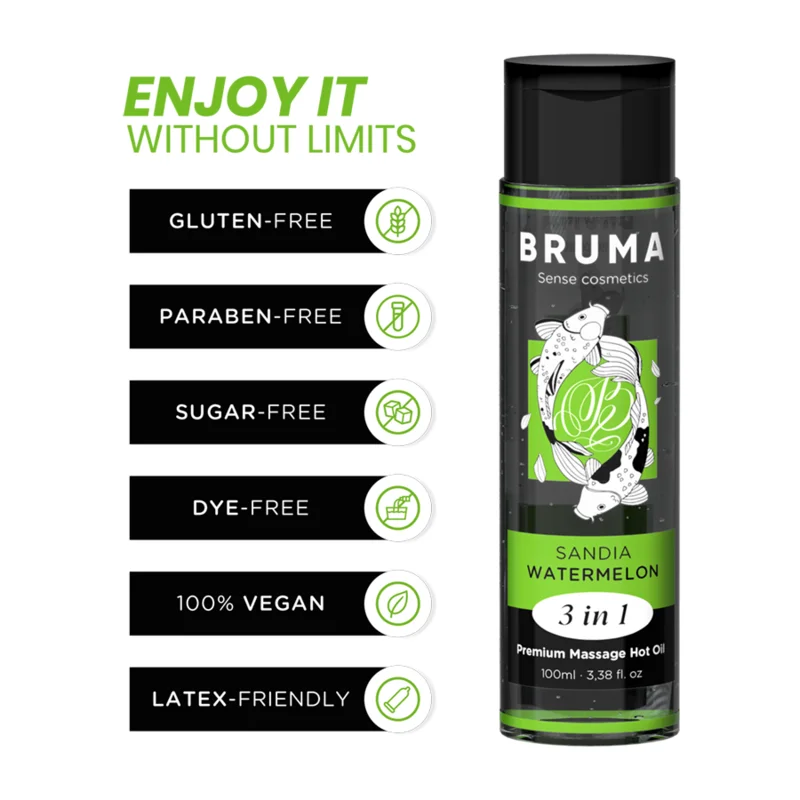
- Treat yourselves to a sensual massage with no obligation for it to lead anywhere
- Rediscover the pleasure of touch for its own sake
A massage oil can transform a simple relaxation moment into a natural prelude:



3. Communicate About Your Desires (and Barriers)
Open dialogue about sexuality is often the most powerful lever — and the most neglected. Many couples don't dare express their desires for fear of judgement.
- Choose the right moment: not during the act or in the middle of a conflict. A calm dinner or a walk is ideal.
- Use "I" statements: "I would like us to try..." rather than "You never..."
- Share your fantasies: even the simplest ones. Discovering each other's secret desires reignites curiosity.
- Address the barriers: fatigue, stress, body image — naming obstacles makes them easier to overcome.
4. Break the Routine in Bed
Sexual routine is one of the biggest desire killers. Even small changes can make a big difference:
- Change the timing: if it is always evening, try morning or afternoon
- Change the location: the shower, the living room, a hotel weekend
- Introduce a couples' game: erotic card games or dice create a playful framework that lowers inhibitions

5. Explore New Sensations Together
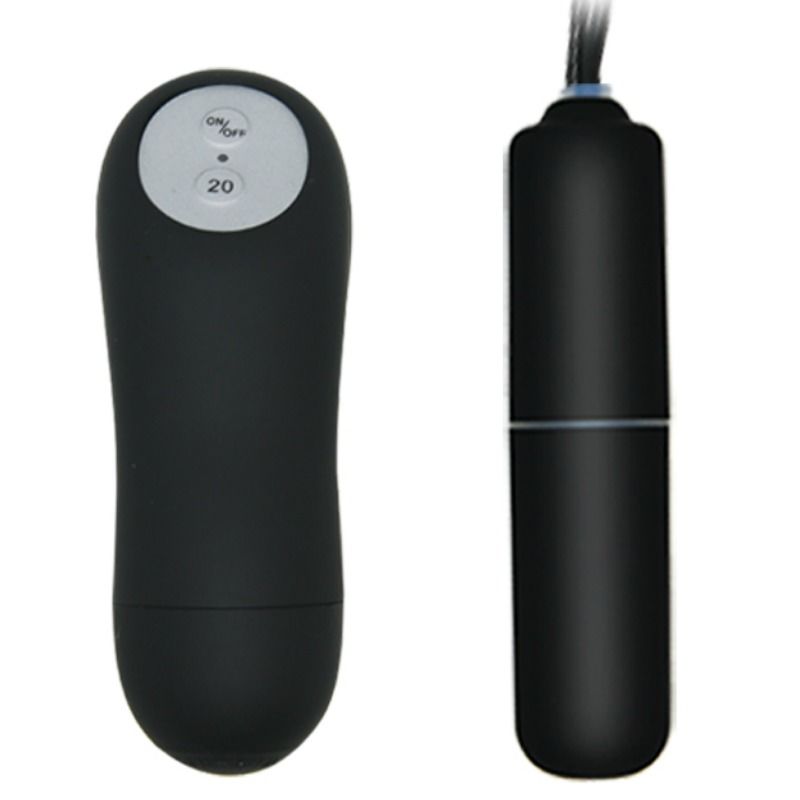
Introducing a sex toy as a couple is not a sign of weakness — it is a sign of open-mindedness. Numerous studies show that couples who use intimate accessories report greater sexual satisfaction.
- A couples' vibrator: use together during intercourse for shared stimulation.
- A remote-controlled vibrating egg: let your partner take control during an outing — the thrill of public play is incomparable.
- Massage candles: they melt into warm, scented oil, perfect for a sensual moment together.
6. Take Care of Yourself to Reignite Desire
Desiring another often starts with desiring yourself. Feeling good in your body and mind is a prerequisite for desire.
- Physical exercise boosts libido through endorphins and a better body image
- Sleep is crucial: chronic fatigue is desire's number one enemy
- Stress management: meditation, breathing exercises, personal time — a calm mind is a desirable mind
- Lingerie: dressing up for yourself (and your partner) can reactivate the feeling of seduction
7. Seek Professional Help if Needed
If low desire persists despite your efforts, don't hesitate to consult:
- A sexologist: a professional trained in desire and intimacy issues
- A couples' therapist: when sexual difficulties are linked to broader relationship problems
- A doctor: some causes are medical (hormonal imbalances, medication side effects, pain)
Seeking help is not a failure — it is an act of courage and love for your relationship.
Conclusion
Reigniting desire in a relationship requires kindness, creativity and above all communication. Every couple is unique, and what works for one won't necessarily work for another. The key is to stay curious about each other, never stop exploring, and remember that desire is a fire that needs tending — not a flame that burns on its own.