Introduction to BDSM
BDSM — Bondage, Discipline, Dominance, Submission, Sadism and Masochism — is a set of consensual sexual practices that explore power dynamics and the boundaries of pleasure. Far from the clichés portrayed in fiction, BDSM is first and foremost about trust, respect and open communication between partners.
This guide is for beginners who are curious to explore this world safely, at their own pace and with care.
Fundamental Principles: SSC and RACK
Before any practice, it is essential to understand the two ethical frameworks of BDSM:
- SSC (Safe, Sane, Consensual): every activity must be physically safe, psychologically sound and fully consented to by all participants.
- RACK (Risk-Aware Consensual Kink): participants are aware of the risks and consent to them with full knowledge.
In both cases, informed consent is non-negotiable. Every person can withdraw their consent at any time.
The Safe Word
A safe word is a pre-agreed word that means "stop immediately". The traffic light system is popular among beginners:
- Green: everything is fine, continue
- Yellow: slow down, approaching my limit
- Red: full and immediate stop
Never start a session without establishing a safe word with your partner.
Main BDSM Categories for Beginners
Bondage (Restraint)
Bondage involves restricting the partner's movement using ties, handcuffs or straps. For beginners, choose padded cuffs or satin ribbons — easy to remove when needed.
Safety rule: always check that you can slide two fingers between the restraint and the skin. Keep a pair of scissors within reach.
Discipline (Control)
Discipline involves establishing agreed rules and punishments. This can range from verbal obedience to role-playing with rewards and corrections. It is as much a psychological game as a physical one.
Dominance and Submission (D/s)
The dominant/submissive dynamic explores the consensual transfer of power. The dominant guides the scene while the submissive surrenders control — paradoxically, it is often the submissive who holds the real power through the safe word.
Sensory Play
Sensory exploration is an excellent entry point. Blindfold your partner and alternate between different sensations: feathers, ice, warm wax, varied fabrics. Depriving one sense heightens all the others.
Essential BDSM Accessories for Beginners
You don't need a dungeon to start. Here are the essential beginner BDSM accessories:





- A mask or blindfold: the simplest way to spice up play. A lace mask adds mystery while remaining comfortable.
- Padded cuffs: safer than metal handcuffs for beginners. Choose models with Velcro or quick-release clips.
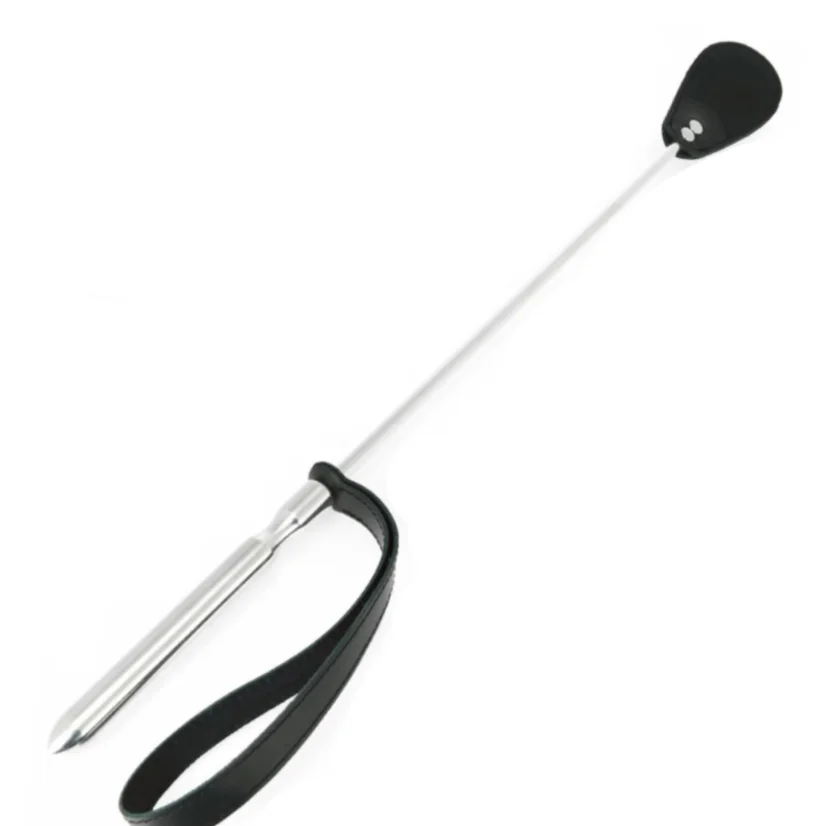
- A crop or soft whip: for light spanking stimulation. Start gently and increase gradually.
- Feathers: for sensory play, alternate between the soft touch of a feather and a light tap.
Communicating Before, During and After
Before the Session: Negotiation
Discuss openly your desires, boundaries and fears. Establish together:
- Activities you want to try ("yes" list)
- Activities you might want to explore ("maybe" list)
- Absolute limits ("no" list)
- The safe word
During the Session: Check-ins
The dominant should regularly check on the submissive's state: "Are you okay?", "What colour?". Pay attention to body language — if your partner tenses up or suddenly goes quiet, pause.
After the Session: Aftercare
Aftercare is a crucial step often overlooked by beginners. After a session, take care of each other:
- Cuddles, warm blankets, water and snacks
- Discussion about what was enjoyed or less enjoyed
- Emotional reassurance
BDSM can trigger intense emotional reactions ("sub drop" or "dom drop"). Aftercare helps ease back into reality.
Common Mistakes to Avoid
- Moving too fast: start with light practices before exploring more intense territory.
- Ignoring the safe word: this is the most serious violation. The safe word is sacred.
- Copying fiction: films and novels romanticise practices that, without training, can be dangerous.
- Neglecting aftercare: a session without aftercare can leave lasting emotional marks.
- Improvising bondage: learn basic knots and safety rules before restraining someone.
Conclusion
BDSM is an intimate exploration that, when practised with respect and trust, can strengthen a couple's bond and reveal new facets of pleasure. Start slowly, communicate constantly, and remember: the true power belongs to whoever says the safe word.
Also Read
- Reigniting Desire in Your Relationship — 7 practical tips
- Beginner's Guide: First Sex Toy